Learn About Paper Packaging Solutions for Businesses
From Idea to Reality: The Process of Custom Paper Bag Packaging
Creating custom paper bag packaging is a step-by-step endeavor that begins with understanding brand identity. This phase defines design elements that must correspond to target demographics. Emphasis on functionality and aesthetics follows, ensuring the bags remain practical and visually attractive. The choice of sustainable materials serves a crucial function in modern packaging. However, the sophisticated nature of production and quality control are where challenges often arise, leaving brands to navigate important decisions.
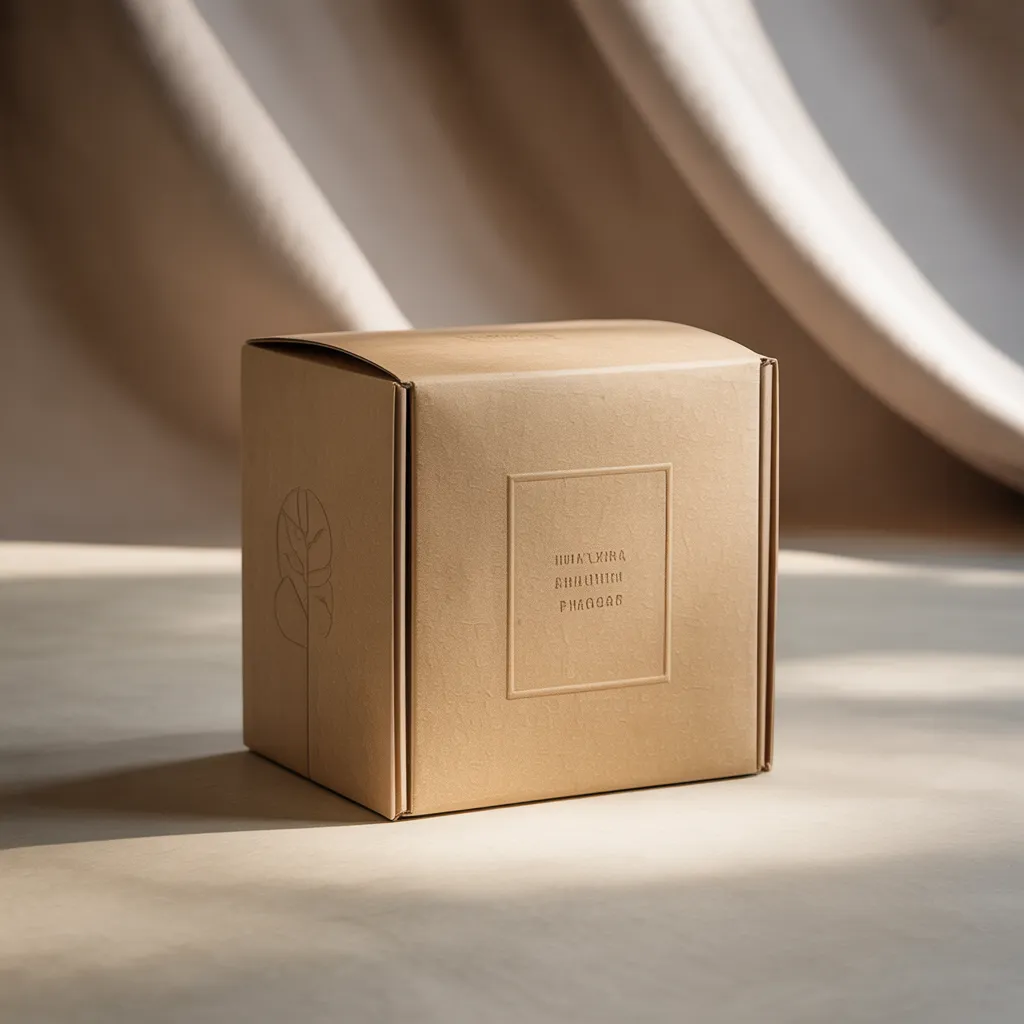
Grasping Your Brand Identity
As companies strive to differentiate themselves in a crowded view now marketplace, understanding brand identity becomes essential. This identity comprises the core principles, mission, and vision that shape a company and distinguish it from rivals. It includes acknowledging the desired audience and building a narrative that engages customers. Powerful brand identity not only impacts customer views but also builds loyalty and confidence.
A well-defined brand identity manifests as visual elements, including logos, color schemes, and typography, which communicate the brand's essence. Additionally, it encompasses the tone of voice used in marketing materials and customer interactions. By coordinating these elements with the brand's core values, businesses can develop a cohesive image that is easily recognizable. Ultimately, a strong brand identity establishes the groundwork for successful marketing strategies, empowering companies to interact successfully with their customers and create lasting impressions through products like custom paper bag packaging.
Designing for Functionality and Aesthetics
Effective design of custom paper bag packaging demands a strategic balance between functionality and aesthetics. The main purpose of a paper bag is to transport items securely, necessitating features such as sturdy handles, the appropriate size, and proper weight capacity. Designers must ensure that the bag's construction can withstand everyday use while also promoting ease of handling.
Concurrently, the visual appeal of the packaging plays a crucial role in attracting customers. A well-designed bag can serve as a marketing tool, showcasing brand identity through color schemes, typography, and graphics. The aesthetic elements should correspond to the target audience's preferences, making the product desirable and memorable.
Ultimately, successful custom paper bag design integrates these elements, creating a functional product that also strengthens the brand's image. By emphasizing both utility and visual interest, designers can create packaging that attracts consumers and satisfies practical needs.
Selecting Sustainable Components
When selecting sustainable materials for custom paper bag packaging, it is critical to evaluate both environmental impact and practicality. Recycled paper is a preferred choice, as it decreases waste and conserves resources. Biodegradable materials, such as plant-based fibers, also lower environmental harm and supply a sustainable alternative to traditional options.
Moreover, sourcing materials from responsibly managed forests guarantees that the production complies with ecological standards. The weight and durability of the chosen materials should also be considered, as they must withstand various handling and transportation processes without reducing functionality.
Moreover, ink and adhesive selections play a crucial role in sustainability; using water-based inks and eco-friendly adhesives can further enhance the environmental credentials of the packaging. In the end, the selection of sustainable materials not only supports ecological sustainability but also resonates with increasingly sustainability-focused consumers.
The Production Process and Quality Control
A thorough production methodology is crucial for ensuring high-quality custom paper bag packaging. This process commences with precise cutting of environmentally friendly materials, followed by printing, where cutting-edge processes are implemented to deliver vibrant colors and sharp images. After printing, the bags are cut and folded to achieve the desired shape and size. Quality control is integrated throughout, with inspections conducted at each stage to discover defects or inconsistencies.
When the bags are constructed, further tests are conducted to evaluate durability, functionality, and appearance. This includes stress testing to measure the strength of handles and seams. Any bags that don't satisfy the established standards are rejected, ensuring that only the best products reach consumers. By maintaining stringent quality control measures, manufacturers can assure that their custom paper bags not only satisfy aesthetic expectations but also function reliably in different retail environments, improving the overall customer experience.
Marketing Your Custom Paper Bags
Attracting potential customers demands a strategic approach to marketing custom paper bags. Businesses must first identify their target audience, tailoring messaging to resonate with their specific interests and values. Highlighting the environmental benefits of paper bags can attract eco-conscious consumers, while highlighting customization options can appeal to brands seeking unique packaging solutions.
Using social media platforms is vital for displaying designs and sharing customer reviews, creating a visual narrative that captivates potential buyers. Joint ventures with influencers or local businesses can moreover boost visibility and credibility.
Additionally, presenting special deals or temporary designs can build a sense of urgency and encourage immediate purchases. Being present at trade shows or regional events provides personal interaction with customers, providing a tactile experience that web marketing can't replicate. By leveraging these methods, businesses can successfully market their custom paper bags, boosting sales and establishing a robust brand presence in the competitive packaging market.
FAQ
How Long Does the Custom Paper Bag Design Process Typically Take?
The custom paper bag design process typically takes between two to six weeks. Several factors affecting the timeline include design complexity, client feedback, and production timelines, which can vary significantly from project to project.
Is It Possible to Order a Small Quantity of Custom Paper Bags?
Yes, individuals can order small quantities of custom paper bags. Many suppliers and manufacturers offer flexible minimum order quantities, permitting businesses and individuals to customize their orders based on particular requirements and budget limitations.
What Kinds of Finishes Can Be Applied to Custom Paper Bags?
Multiple finishes for custom paper bags include matte, gloss, textured, and metallic coatings. These options elevate aesthetics, durability, and brand visibility, helping businesses to opt for finishes that optimally suit their marketing and packaging objectives.
Do Bag Size Restrictions Apply to Custom Orders?
Yes, there are often restrictions on bag measurements for custom orders. These size limits may fluctuate according to the manufacturer, depending on their manufacturing capabilities and material constraints, which will determining the feasibility of the requested measurements for custom paper bags.
What's the Best Way to Care for My Custom Paper Bags?
To maintain custom paper bags, keep them dry, steer clear of excessive weight, and store in a cool, dry place. Regularly check for signs of wear to confirm they preserve their quality and structural integrity.